
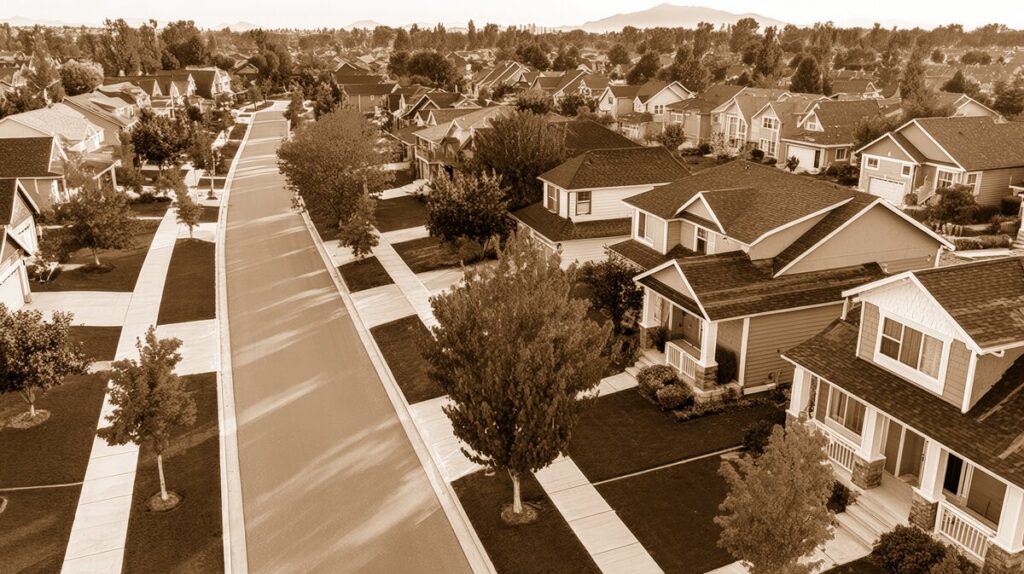
Nestled quietly just west of bustling downtown Fort Lauderdale, River Oaks stands as one of the city’s best-kept secrets—a neighborhood woven together by lush tree canopies, family-run businesses, and a tight-knit community spirit. For generations, its shaded streets and riverside landscape have shaped a distinctive legacy that continues to evolve. Let’s take a journey through River Oaks’ remarkable history, exploring how its origins and enduring heritage have crafted a neighborhood as vibrant as the oaks that inspired its name.
The Origins of River Oaks
The story of River Oaks begins in the mid-20th century, as Fort Lauderdale was transforming from sleepy coastal outpost into one of South Florida’s most dynamic cities. Before River Oaks was established, the area was largely undeveloped wetlands and pine forests, inhabited by wildlife and punctuated by the New River’s winding course.
As early as the late 1940s and 1950s, developers recognized this region’s potential: its proximity to the river and easy access to downtown Fort Lauderdale made it ideal for residential growth. Subdivided plots were sold to returning World War II veterans and young families searching for affordable homes and a sense of community. The early developers sought to create a peaceful, shaded enclave, threading residential avenues around natural features rather than simply bulldozing them—an ethos that has remained central to River Oaks’ identity.
How River Oaks Got Its Name
The neighborhood’s name, River Oaks, pays tribute to its most distinguishing elements: the southern oaks that once flourished undisturbed along the riverbanks and across the land. These sprawling trees, with their long, arching branches thickly draped in Spanish moss, provided the neighborhood with its leafy canopy and dappled sunlight—a natural hallmark eagerly preserved by residents.
The “River” part of the name nods to the nearby South Fork of the New River, which still defines the neighborhood’s borders and offers scenic views, community docks, and a tranquil retreat from city life. The merging of “River” and “Oaks” captured both the wildness and the serenity that early residents grew to cherish.
Key Historical Milestones
Over the decades, River Oaks has witnessed a series of pivotal changes that helped it mature from a lightly populated neighborhood into one of Fort Lauderdale’s most desirable communities:
- Early Growth (1950s–1970s):
- As River Oaks expanded along key thoroughfares like SW 17th Avenue and SW 20th Street, the neighborhood attracted a mix of blue-collar workers, military families, and young professionals.
- Modest ranch homes, many still standing today, were built to last—some constructed with poured concrete walls designed to weather hurricanes.
- Community Advocacy (1980s):
- In response to rapid development elsewhere in the city, River Oaks residents established one of Fort Lauderdale’s most active neighborhood associations.
- This group advocated for responsible zoning, neighborhood beautification, and preservation of green spaces, leading to improvements in sidewalks, lighting, and parks, especially at River Oaks Park off SW 21st Avenue.
- Revitalization and Modernization (2000s–Present):
- Recent decades have brought gradual revitalization. Older homes have been lovingly refurbished, and new families continue to move in, maintaining the multi-generational fabric of the area.
- The neighborhood association continues to play a vital role, organizing annual block parties, flea markets, and clean-up days that keep the community spirit thriving.
Notable Landmarks, Streets, and Buildings
Even as River Oaks maintains its residential charm, a handful of sites stand out as landmarks cherished by locals:
- River Oaks Park: Tucked away at 2201 SW 21st Ave, this green heart of the neighborhood offers shaded playgrounds, picnic spots, and walking trails beneath towering oaks—a beloved gathering place for residents young and old.
- The Historic Corner at SW 20th Street and SW 17th Avenue: This crossroads is home to some of the area’s oldest residences, many of which boast original mid-century architectural details.
- St. Ambrose Episcopal Church on SW 15th Avenue has anchored the community for decades, its welcoming congregation embodying the neighborly spirit River Oaks is known for.
- New River Dock: Where the neighborhood meets the gentle currents of the New River, small docks and boat slips provide river access for fishing, boating, or quiet afternoons watching sunsets over the water.
River Oaks’ Evolution Over the Decades
As the rest of Fort Lauderdale grew skyward, River Oaks retained its low-key, friendly vibe. Brick and pastel-colored houses, small front yards with fruit trees, and meandering streets define the landscape. Here’s how River Oaks has changed—and stayed the same—over the years:
- Community Fabric: The neighborhood’s demography is a blend of longtime residents whose families have lived here for generations and newcomers drawn by affordable housing and the strong sense of community.
- Architectural Character: While new construction has gradually appeared, many homes retain their original 1950s and 1960s lines—one-story layouts, terrazzo floors, and wide porches perfect for evening chats.
- Green Spaces: Preservation of tree cover and pocket parks has continued to be a neighborhood priority, contributing to a peaceful, shaded atmosphere uncommon in much of South Florida’s rapid development.
- Proximity and Accessibility: River Oaks enjoys an enviable position just south of Davie Boulevard and west of US-1, providing quick access to downtown, the airport, and the shops and restaurants of nearby Marina Mile.
What Makes River Oaks Special Today
Ask any River Oaks resident what they love most about their neighborhood, and you’ll likely hear stories of camaraderie, quiet streets, and summer picnics beneath the same oak trees that lent the area its name. Here, neighbors greet each other by name, kids ride bikes along tree-lined sidewalks, and local businesses know their regulars by face.
Whether you’re admiring the sunset from a riverside dock, strolling through River Oaks Park, or simply enjoying the daily rhythm of this inviting enclave, you’re experiencing a neighborhood deeply connected to its roots.
In a city constantly evolving, River Oaks stands as a reminder that history and community spirit can thrive right alongside progress—anchored, always, by the mighty oaks that first called this distinctive corner of Fort Lauderdale home.